


The Complete Guide to Car Engines: Types, Costs, Problems & Buying Tips
Car engines are the core of every vehicle. Whether you’re buying a replacement engine, maintaining your current one, or trying to understand how engines work, having the right knowledge can save you time, money, and costly mistakes.
This guide brings everything together—from choosing the right engine to understanding pricing, avoiding problems, and maintaining long-term performance.
If you’re starting your journey, it’s important to understand the basics first. You can begin with How to Choose the Right Car Engine (Complete Buyer’s Guide) to learn how to select the right engine for your vehicle.
👉 You can also explore available options directly in our Shop or browse all categories from the Home Page.
Understanding Car Engine Types
Car engines come in different designs, each built for specific performance and efficiency goals.
The most common types include:
Inline engines (balanced and efficient)
V-type engines (more power and performance)
Turbocharged engines (higher output with efficiency)
Naturally aspirated engines (simple and reliable)
Choosing the right type depends on your driving needs and vehicle specifications.
👉 For performance-focused options, you can explore BMW Engines, Audi Engines, and Mercedes Engines, while Ford Engines and Chevrolet Engines offer reliable everyday solutions.
How Much Does a Car Engine Cost?
Engine pricing can vary widely depending on several factors. Understanding these helps you avoid overpaying or choosing a poor-quality option.
Key factors include:
Engine condition
Mileage
Brand
Availability
👉 To get a clear breakdown, read How Much Does a Car Engine Cost? (Full Pricing Guide) before making a decision.
Investing in the right engine can save you money over time by reducing repairs and maintenance costs.
Common Engine Problems You Should Know
Even the best engines can develop issues over time. Recognizing these problems early can prevent serious damage.
Common problems include:
Overheating
Oil leaks
Loss of power
Unusual noises
👉 To understand these issues in detail, check Common Engine Problems and How to Avoid Them and learn how to prevent them.
When to Repair or Replace an Engine
One of the most important decisions is whether to repair your engine or replace it entirely.
Repair may work for minor issues, but replacement is often the better option for major damage.
👉 To make the right decision, read Engine Repair vs Replacement: Which One Is the Better Option?
This helps you avoid wasting money on repeated repairs.
Why Mileage and Condition Matter
Mileage is a key factor when evaluating engine performance and lifespan. Lower mileage engines typically offer better reliability, but condition is just as important.
👉 To understand how mileage affects your decision, read Why Engine Mileage Matters When Buying a Replacement Engine.
Categories like Volkswagen Engines, Nissan Engines, and Renault Engines offer options across different mileage and price ranges.
How to Buy a Car Engine Safely
Buying an engine online requires careful evaluation to avoid risks.
Important checks include:
Seller reliability
Engine condition
Warranty
Compatibility
👉 Before making a purchase, read What to Check Before Buying a Car Engine Online (Complete Checklist).
You can also explore trusted options inside our Shop.
Compatibility and Installation
Choosing the right engine is not just about price or brand—it must be compatible with your vehicle.
Incorrect compatibility can lead to installation issues and poor performance.
👉 That’s why understanding How to Know If an Engine Fits Your Car (Complete Compatibility Guide) is essential.
You can browse compatible options in categories like Opel Engines and Dodge Engines.
Supporting Components Matter
Your engine works alongside other components, and ignoring them can lead to problems after installation.
👉 Make sure to check Gearboxes to ensure your transmission system works properly with your engine.
A complete setup improves performance and reliability.
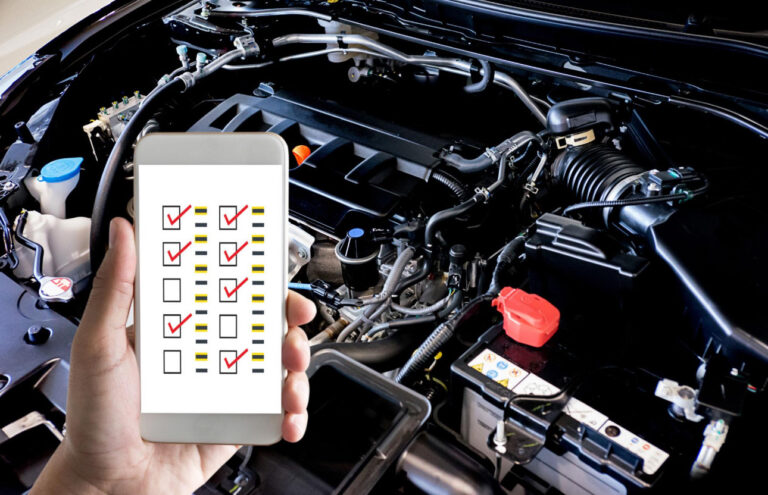
Maintenance for Long-Term Performance
Proper maintenance is the key to extending engine life and maintaining performance.
Best practices include:
Regular oil changes
Monitoring coolant levels
Routine inspections
Smooth driving habits
👉 For a full maintenance strategy, read How to Maintain Your Engine After Replacement (Complete Guide).
Final Thoughts
Understanding car engines is essential for making the right decisions—whether you’re buying, replacing, or maintaining one.
By focusing on compatibility, condition, pricing, and proper maintenance, you can ensure long-term performance and reliability.
According to automotive experts, understanding different engine types helps you choose the right vehicle and avoid costly issues: