
Turbocharged vs Naturally Aspirated Engines: Which Is Better?
When choosing a performance engine, one of the most important decisions you’ll face is whether to go for a turbocharged engine or a naturally aspirated one. Both systems are designed to generate power, but they operate in fundamentally different ways—and that difference has a major impact on performance, efficiency, and driving experience.
Understanding how these engines work will help you choose the right setup for your needs, whether you’re focused on speed, reliability, or everyday usability.
If you’re just getting into performance engines, it’s best to first read High Performance Car Engines Guide: Power, Speed & What to Choose, which explains the fundamentals of performance and engine behavior.
👉 You can also explore available options directly in our Shop or browse all categories from the Home Page.
How Naturally Aspirated Engines Work
A naturally aspirated (NA) engine relies entirely on atmospheric pressure to bring air into the combustion chamber. There is no external system forcing air into the engine—everything happens naturally as the pistons move.
Key Characteristics:
Smooth and predictable power delivery
Immediate throttle response
Simpler mechanical structure
Lower maintenance complexity
Because of their simplicity, naturally aspirated engines are often more reliable over long periods. They are also easier to maintain, making them a popular choice for drivers who prioritize durability and consistency.
👉 To understand how airflow and power work together, read What Makes an Engine Powerful? (Horsepower vs Torque Explained).
How Turbocharged Engines Work
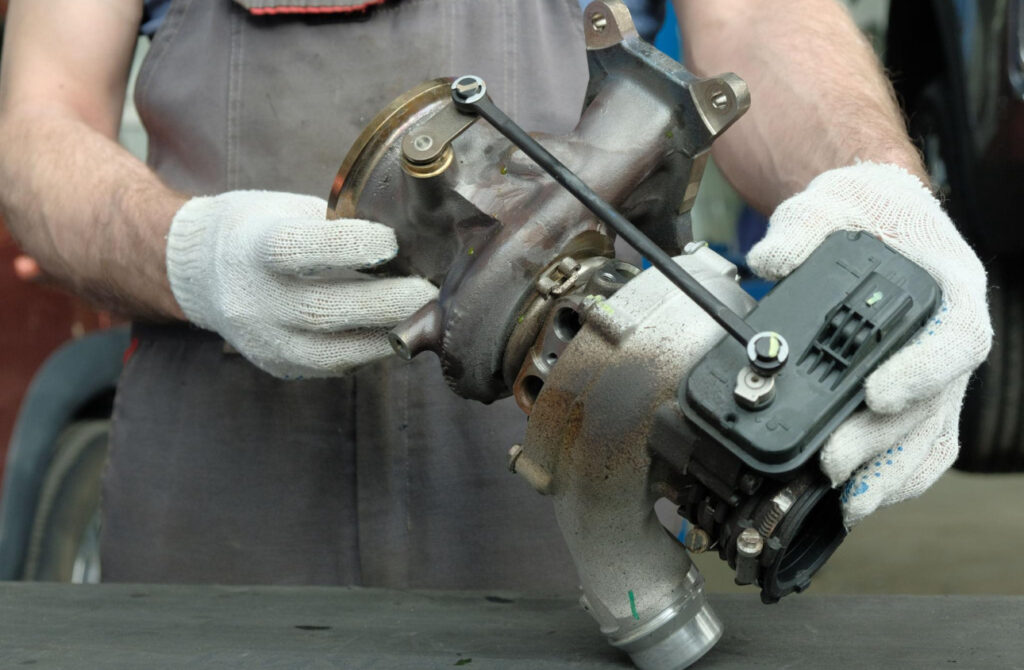
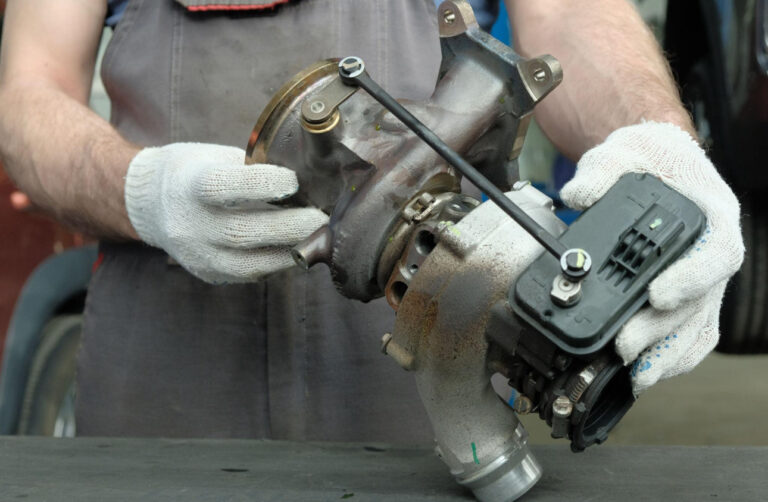
A turbocharged engine uses a turbine powered by exhaust gases to force more air into the engine. This allows more fuel to be burned, resulting in significantly higher power output.
Key Advantages:
Higher horsepower from smaller engines
Improved fuel efficiency in many cases
Strong acceleration and torque
Turbocharging allows manufacturers to produce engines that are both compact and powerful, making them a popular choice in modern performance vehicles.
👉 Many modern performance setups in BMW Engines, Audi Engines, and Mercedes Engines rely heavily on turbocharging technology.
Performance Differences: Power, Acceleration & Feel
Power Output
Turbocharged engines generally produce more power because they increase the amount of air entering the engine.
Acceleration
Turbo engines deliver strong acceleration, especially at mid to high speeds, making them ideal for performance driving.
Driving Feel
Naturally aspirated engines offer smoother and more linear power delivery, giving drivers better control and predictability.
👉 To see how these differences translate into real-world performance, check Best High Performance Car Engines for Speed and Power.
Reliability and Maintenance Considerations
One of the biggest differences between these engine types is complexity.
Naturally Aspirated Engines:
Fewer components
Lower risk of mechanical failure
Easier and cheaper maintenance
Turbocharged Engines:
More complex systems
Requires proper maintenance
Sensitive to oil quality and cooling
👉 If you’re considering improving performance without adding complexity, explore Best Engine Upgrades to Increase Performance (Complete Guide).
Cost, Efficiency, and Long-Term Value
Turbocharged engines are often more efficient when engineered properly, especially in smaller engines. However, they can be more expensive to maintain due to additional components.
Naturally aspirated engines:
Lower maintenance cost
Longer lifespan in many cases
Turbocharged engines:
Better performance per engine size
Potentially higher repair costs
👉 To understand overall cost expectations, read How Much Does a Car Engine Cost? (Full Pricing Guide).
Which One Should You Choose?
The best choice depends on how you use your vehicle:
Choose Naturally Aspirated if you want:
Smooth and predictable driving
Lower maintenance costs
Long-term reliability
Choose Turbocharged if you want:
Maximum power and acceleration
Better performance from smaller engines
Modern performance features
For high-performance setups, explore:
For balanced performance:
Supporting Components Are Essential
Performance engines—especially turbocharged ones—require strong supporting components to handle increased stress and power.
👉 Make sure to check Gearboxes to ensure your transmission system can support your engine’s output.
This is critical for maintaining performance and avoiding damage.
Finding the Right Engine Setup
Choosing the right engine means balancing performance, cost, and reliability. Comparing different options helps you find the best fit for your needs.
👉 Inside our Shop, you can explore engines across all categories and find the right combination of power and efficiency.
Final Thoughts
Turbocharged and naturally aspirated engines both offer unique advantages. While turbo engines deliver higher power and efficiency, naturally aspirated engines provide simplicity and reliability.
The right choice depends on your priorities—whether you value raw power, smooth driving, or long-term durability.
Final Thoughts
Turbocharged and naturally aspirated engines both offer unique advantages. While turbo engines deliver higher power and efficiency, naturally aspirated engines provide simplicity and reliability.
The right choice depends on your priorities—whether you value raw power, smooth driving, or long-term durability.
According to automotive experts, turbocharged engines use forced induction to increase power, while naturally aspirated engines rely on atmospheric pressure for smoother performance: