
Common Engine Problems and How to Avoid Them
Every car engine will experience issues over time, but many of the most common problems can be avoided with proper knowledge and maintenance. Understanding these issues early helps you prevent costly repairs and extend the life of your engine.
While some problems are minor, others can lead to serious damage if ignored. Knowing what to watch for—and how to respond—can save you both time and money.
If you’re already dealing with performance issues, it’s important to recognize when repairs are no longer enough by reading Signs Your Car Engine Needs Replacement (Warning Signs You Shouldn’t Ignore) before deciding your next step.
Engine Overheating
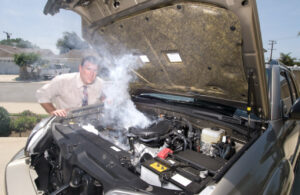
Overheating is one of the most serious engine problems. It usually happens when the cooling system fails, causing the engine temperature to rise beyond safe levels.
Common causes include:
Low coolant levels
Faulty radiator
Broken water pump
👉 To understand this issue in detail, read Engine Overheating: Causes, Signs & How to Fix It, which explains how to handle and prevent overheating.
Engines in categories like BMW Engines and Mercedes Engines require proper cooling to maintain performance and avoid damage.
Oil Leaks
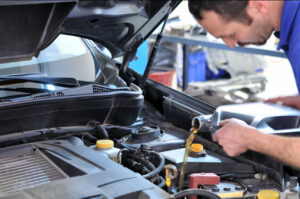
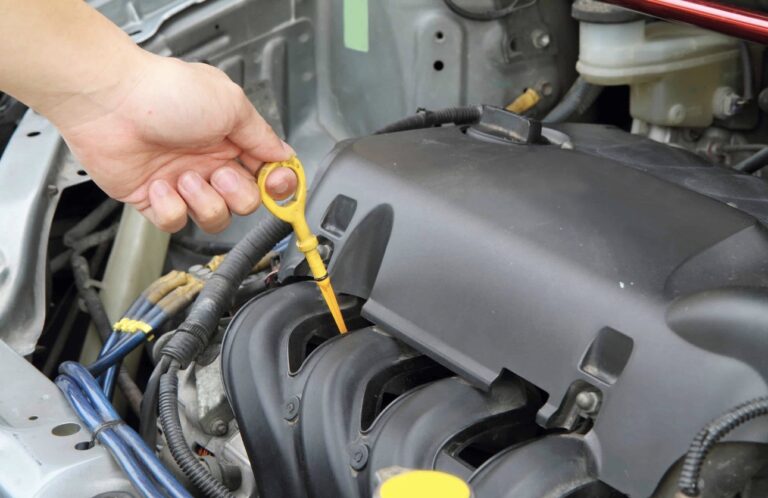
Oil leaks are very common and can lead to serious damage if not addressed quickly. Oil is essential for lubricating engine components and preventing wear.
Signs of oil leaks include:
Oil spots under the car
Burning smell
Low oil levels
Engines from categories like Audi Engines and Volkswagen Engines perform best when oil levels are maintained properly and checked regularly.
Unusual Noises (Knocking or Ticking)
Strange noises coming from the engine often indicate internal problems. Knocking or ticking sounds can be caused by worn components or poor lubrication.
Ignoring these sounds can lead to severe internal damage over time.
👉 If you’re unsure whether repair or replacement is better, check Cheap vs Quality Car Engines: Which One Should You Choose? to understand your options.
Loss of Power
If your car struggles to accelerate or feels weaker than usual, your engine may not be functioning properly.
Common causes include:
Fuel system issues
Air intake problems
Internal wear
Engines from categories like Ford Engines and Chevrolet Engines are known for durability, but performance issues can still occur without proper maintenance.
Excessive Smoke
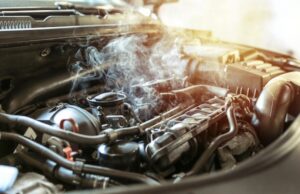
Smoke coming from your engine is a clear warning sign that something is wrong.
Different smoke colors indicate different problems:
Blue smoke → oil burning
White smoke → coolant leak
Black smoke → fuel issues
👉 To understand how these issues affect engine life, read How Long Do Car Engines Last? Lifespan, Mileage & What to Expect and learn how problems impact longevity.
Electrical and Sensor Problems
Modern engines rely heavily on electronic systems. Faulty sensors or wiring can cause warning lights, poor performance, or even engine failure.
These issues are often overlooked but can significantly affect how your engine runs.
Preventive Maintenance Is Key
The best way to avoid engine problems is through regular maintenance.
Important habits include:
Regular oil changes
Monitoring coolant levels
Checking for leaks
Routine inspections
Engines in categories like Nissan Engines, Renault Engines, and Opel Engines can last much longer when properly maintained.
When Problems Become Too Expensive
Sometimes, repairing an engine repeatedly becomes more expensive than replacing it. If problems keep returning, it may be time to consider a replacement.
👉 Inside our Shop, you can explore engines across categories and find reliable options that match your needs.
For performance-focused options, you can also browse Porsche Engines or Dodge Engines depending on your requirements.
Final Thoughts
Engine problems are common, but many of them can be avoided with proper care and attention. Recognizing early warning signs and maintaining your engine regularly can prevent major issues and extend its lifespan.
When problems become too serious, choosing the right replacement ensures your vehicle continues to perform at its best.