
Best Engine Upgrades to Increase Performance (Complete Guide)
Improving your engine’s performance doesn’t always require a full replacement. In many cases, strategic upgrades can significantly increase horsepower, torque, and overall responsiveness—often at a fraction of the cost of a new engine.
Modern engines are designed with optimization in mind, which means there is often untapped potential that can be unlocked through the right modifications. Whether you’re aiming for faster acceleration, better throttle response, or increased top speed, understanding the right upgrades is essential.
If you’re new to performance tuning, it’s best to first read High Performance Car Engines Guide: Power, Speed & What to Choose, which explains how performance engines are designed and optimized.
👉 You can also explore upgrade-ready options directly in our Shop or browse all categories from the Home Page.
Air Intake Systems (Maximizing Airflow Efficiency)
An engine’s performance is heavily dependent on how much clean air it can intake. The more efficiently air flows into the combustion chamber, the more power the engine can generate.
Why It Matters:
Increased oxygen = stronger combustion
Improved throttle response
Better engine efficiency
Stock air intake systems are often restrictive. Upgrading to a high-performance intake system allows for better airflow, which translates directly into improved performance.
👉 To understand how airflow connects to power, read What Makes an Engine Powerful? (Horsepower vs Torque Explained).
Performance Exhaust Systems (Reducing Back Pressure)
After combustion, exhaust gases must exit the engine efficiently. A restrictive exhaust system can slow down this process and reduce performance.
Benefits of Upgrading:
Reduced back pressure
Increased horsepower
Improved engine efficiency
High-performance exhaust systems allow gases to exit more freely, helping the engine operate at its full potential.
ECU Tuning (Unlocking Hidden Engine Potential)
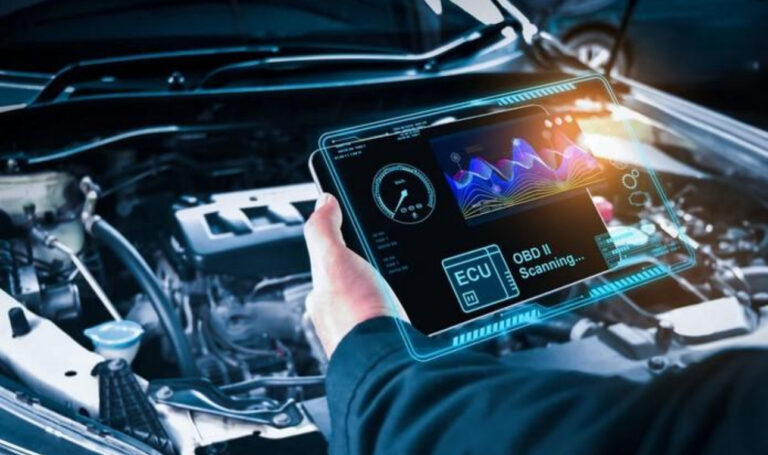
The Engine Control Unit (ECU) controls how your engine operates. Manufacturers often limit engine performance to meet regulations or ensure long-term reliability.
What ECU Tuning Does:
Optimizes fuel-air mixture
Adjusts ignition timing
Improves throttle response
Increases horsepower and torque
ECU tuning can dramatically improve engine performance without any mechanical changes.
👉 To see how these gains reflect in real engines, check Best High Performance Car Engines for Speed and Power.
Turbocharging and Forced Induction Upgrades
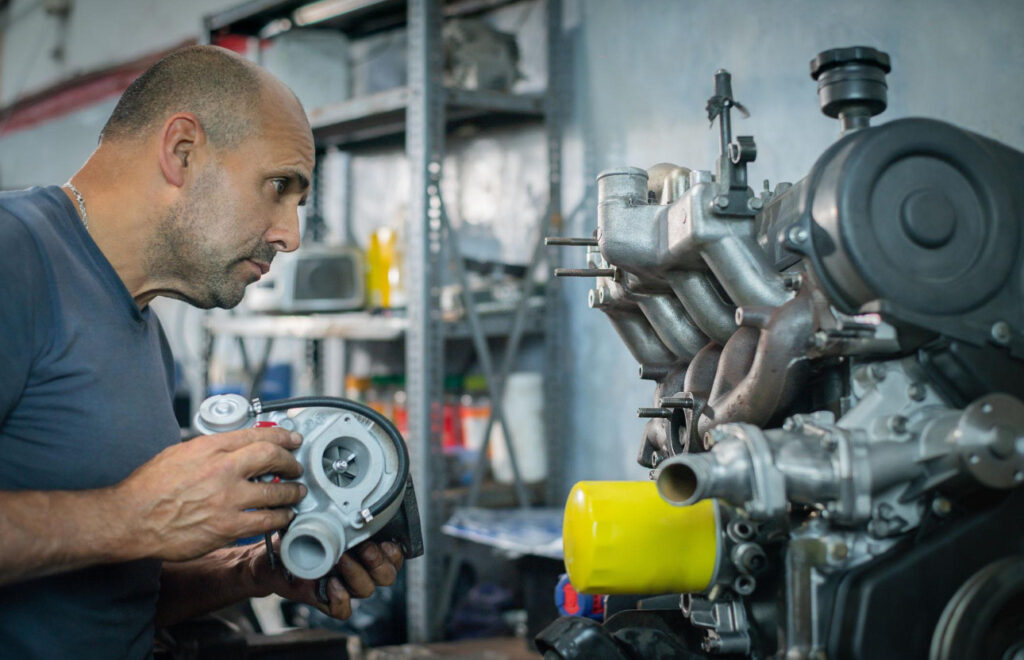
One of the most effective ways to increase engine power is by adding or upgrading a turbocharger. This forces more air into the engine, allowing more fuel to be burned and producing more power.
Key Advantages:
Significant horsepower increase
Stronger acceleration
Better performance from smaller engines
👉 Before making this upgrade, it’s essential to understand Turbocharged vs Naturally Aspirated Engines: Which Is Better?
Turbo upgrades are powerful but require proper tuning and supporting components.
Fuel System Enhancements
As you increase airflow and power, your engine will require more fuel to maintain proper combustion. Upgrading your fuel system ensures that performance gains are supported.
Important Upgrades:
High-performance fuel injectors
Upgraded fuel pumps
Improved fuel pressure regulation
Without proper fuel delivery, performance upgrades may not reach their full potential.
Matching Upgrades to Engine Type
Different engines respond differently to upgrades. Choosing the right upgrades depends on your engine category and performance goals.
High-End Performance Engines:
These engines are highly responsive to tuning and advanced upgrades.
High Power Platforms:
Ideal for aggressive upgrades and high-output builds.
Balanced Everyday Engines:
These engines benefit from moderate upgrades that improve performance without sacrificing reliability.
Cost vs Performance Gains
Not all upgrades deliver the same return on investment. Some provide significant improvements for a low cost, while others require a larger budget.
Smart Strategy:
Start with airflow improvements
Add ECU tuning
Upgrade supporting systems gradually
👉 To compare upgrade costs with engine replacement, read How Much Does a Car Engine Cost? (Full Pricing Guide).
Supporting Components and System Balance
As performance increases, stress on the engine and transmission also increases. Supporting components must be upgraded to handle this additional load.
👉 Make sure to check Gearboxes to ensure your transmission system can support the increased power.
Ignoring this step can lead to mechanical failure.
Upgrade vs Replacement: When to Decide
Upgrades are ideal when:
Your engine is in good condition
You want moderate performance gains
You’re working within a budget
However, if your engine is worn out or damaged, replacement may be the better long-term solution.
👉 Explore options inside our Shop to compare engines and performance upgrades.
Final Thoughts
Engine upgrades offer one of the most effective ways to improve performance without replacing your engine. By focusing on airflow, fuel delivery, and system optimization, you can unlock significant gains in power and responsiveness.
However, success depends on choosing the right upgrades and ensuring your engine and supporting components can handle the increased performance.
According to automotive experts, performance upgrades like ECU tuning and forced induction significantly increase engine power when properly tuned: