
What Makes an Engine Powerful? (Horsepower vs Torque Explained)
When it comes to engine performance, two key terms define everything: horsepower and torque. These are the core measurements that determine how powerful an engine is, how fast a car can go, and how quickly it can accelerate.
Many drivers focus only on horsepower, assuming that higher numbers automatically mean better performance. However, true engine performance is a balance between horsepower and torque—and understanding how they work together is essential when choosing or upgrading an engine.
If you’re exploring performance engines, it’s best to first read High Performance Car Engines Guide: Power, Speed & What to Choose, which explains how power, speed, and engine design work together.
👉 You can also explore available options directly in our Shop or browse all categories from the Home Page.
What Is Horsepower? (Speed & High-End Performance)
Horsepower is a measurement of how quickly an engine can perform work. In practical terms, it determines how fast your vehicle can go and how well it performs at higher speeds.
Why Horsepower Matters:
Determines top speed
Controls performance at high RPM
Important for highway and performance driving
Engines with high horsepower are designed to maintain power as speed increases, making them ideal for performance vehicles and high-speed driving.
However, horsepower alone does not define how “strong” an engine feels—this is where torque comes in.
What Is Torque? (Acceleration & Pulling Power)
Torque is the rotational force produced by the engine. It determines how quickly your vehicle can accelerate and how much force it can deliver at low speeds.
Why Torque Matters:
Controls initial acceleration
Helps with heavy loads and pulling power
Improves responsiveness at low speeds
Torque is what you feel when you press the accelerator and the car moves forward instantly. It’s especially important in city driving, towing, and quick acceleration scenarios.
Horsepower vs Torque: Understanding the Difference
Although horsepower and torque are closely related, they serve different roles:
Horsepower → Speed (how fast you go)
Torque → Acceleration (how quickly you get there)
An engine with high horsepower but low torque may feel slow at low speeds but powerful at high speeds. On the other hand, an engine with high torque but lower horsepower may accelerate quickly but lack top-end speed.
👉 To see how this balance works in real engines, check Best High Performance Car Engines for Speed and Power.
How Horsepower and Torque Work Together
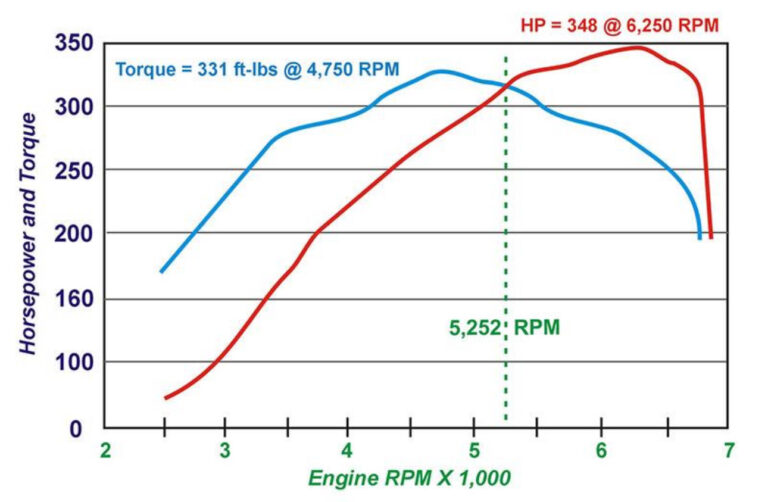
Horsepower is actually calculated using torque and engine speed (RPM). This means the two are directly connected.
Simple Explanation:
Torque = force
RPM = speed of that force
Horsepower = how fast that force is applied
This relationship explains why performance engines aim to balance both torque and horsepower rather than maximizing only one.
👉 This balance becomes even more important when comparing engine types, as explained in Turbocharged vs Naturally Aspirated Engines: Which Is Better?
Real-World Driving: What Matters More?
The importance of horsepower vs torque depends on how you use your vehicle.
Daily Driving:
Torque is more important
Provides smooth and responsive acceleration
Better for city conditions
Performance Driving:
Horsepower becomes more important
Helps maintain speed at high RPM
Essential for racing and high-speed driving
👉 If you want to enhance your engine’s performance without replacing it, check Best Engine Upgrades to Increase Performance (Complete Guide).
Power Distribution Across Engine Categories
Different engine categories are designed with different power priorities.
Performance-Oriented Engines:
These engines are engineered to balance horsepower and torque for optimal performance.
High Torque & Strength:
These engines emphasize strong torque and aggressive power delivery.
Balanced Performance:
These offer a balance between efficiency, usability, and performance.
Choosing the Right Balance for Your Needs
The most powerful engine is not necessarily the one with the highest numbers—it’s the one that matches your driving style.
When choosing:
Consider how you drive (city vs highway)
Balance speed and acceleration
Think about maintenance and cost
👉 To understand how performance affects pricing, read How Much Does a Car Engine Cost? (Full Pricing Guide).
Supporting Components and Power Transfer
Even if your engine produces high power, it must be properly transferred to the wheels.
👉 That’s why checking Gearboxes is essential. A weak transmission system can limit performance or fail under high power.
Finding the Right Engine
Choosing the right engine involves understanding how horsepower and torque work together and selecting the best balance for your needs.
👉 Inside our Shop, you can explore engines across all categories and compare options based on performance, efficiency, and cost.
Final Thoughts
Horsepower and torque are the foundation of engine performance. While horsepower determines speed, torque defines acceleration—and the best engines combine both effectively.
Understanding this balance allows you to make smarter decisions when buying or upgrading an engine.
Final Thoughts
Horsepower and torque are the foundation of engine performance. While horsepower determines speed, torque defines acceleration—and the best engines combine both effectively.
Understanding this balance allows you to make smarter decisions when buying or upgrading an engine.
For technical reference, you can also explore: